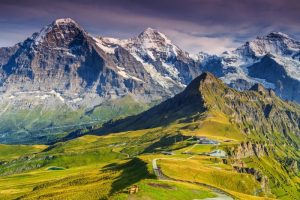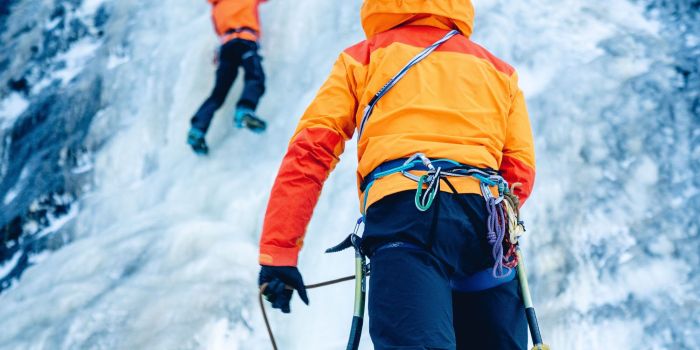
Embarking on a mountain trekking adventure? Stay safe with these essential precautions while enjoying the thrill of the great outdoors!
Before you lace up those hiking boots, let’s dive into how to ensure a secure and memorable trekking experience.
Mountain Trekking Safety Precautions
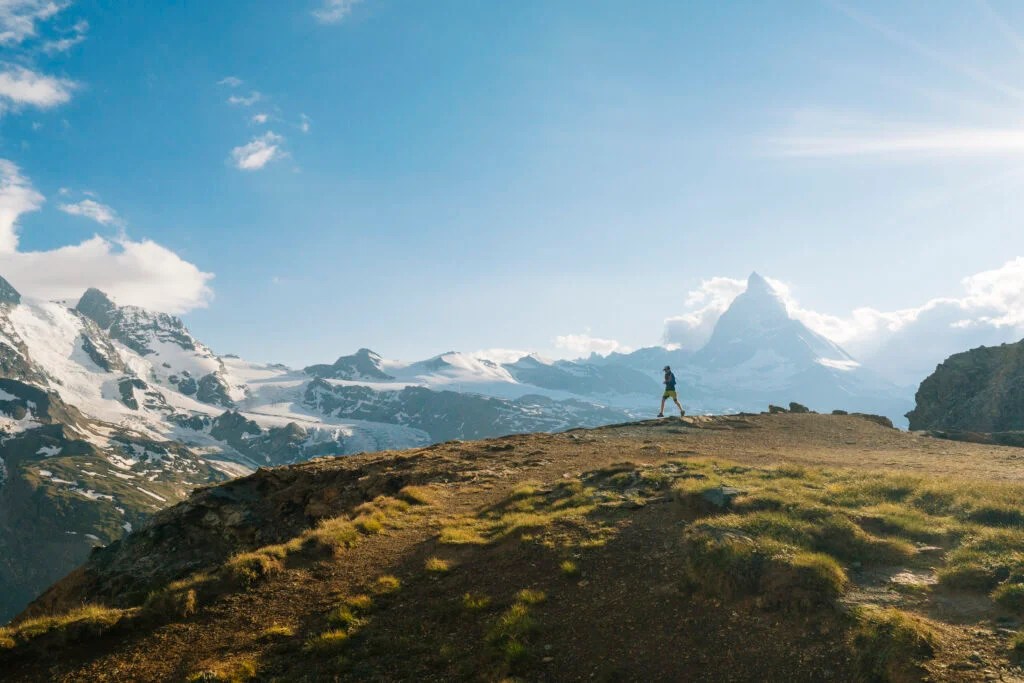
Mountain trekking can be an exhilarating experience, but it is essential to prioritize safety to ensure a successful and enjoyable journey. Here are some crucial safety precautions to consider:
Importance of Acclimatization
Acclimatization is a vital process that allows your body to adjust to higher altitudes gradually. It helps prevent altitude sickness and ensures a safer trekking experience.
Essential Items for Packing
- Appropriate clothing layers for varying weather conditions
- Sturdy hiking boots with good ankle support
- Sun protection gear (hat, sunglasses, sunscreen)
- Ample water supply and high-energy snacks
- Navigational tools (map, compass, GPS)
Packing these essentials can help you stay prepared and comfortable throughout your trek.
Checking Weather Conditions
Before embarking on a mountain trek, it is crucial to check the weather forecast for the area. Sudden changes in weather can pose risks, so staying informed can help you plan accordingly and avoid potential dangers.
Informing Someone About Your Plans
Always make sure to inform a trusted individual about your trekking plans and itinerary. In case of emergencies or unexpected delays, having someone aware of your whereabouts can expedite rescue efforts and ensure your safety.
Festival Travel
When it comes to festival travel, there is a world of unique cultural experiences waiting to be explored. From vibrant celebrations to traditional rituals, festivals offer a glimpse into the heart and soul of a community. However, it is essential to approach these events with respect and awareness to fully appreciate the rich tapestry of customs and traditions they represent.
Respecting Local Customs and Traditions
- Do your research before attending a festival to understand the significance of the event and the customs involved.
- Be mindful of dress codes and behavior expectations to show respect for the local culture.
- Avoid appropriating traditions or participating in ceremonies without proper understanding or permission.
- Engage with locals respectfully, ask questions if unsure, and follow their lead when participating in festival activities.
Researching Festival History and Meaning
- Learn about the origins and meaning behind the festival to deepen your appreciation for its cultural significance.
- Understand the symbolism of rituals, performances, and decorations to interpret the festival’s message and purpose.
- Explore the historical context of the event to grasp its evolution over time and its relevance to the community.
- Connect with locals or cultural experts to gain insights into the festival’s traditions and stories behind them.
Staying Safe in Crowded Festival Environments
- Keep your belongings secure and be aware of pickpockets or crowded areas where theft may occur.
- Stay hydrated, especially in hot climates, and take breaks to avoid exhaustion or heat-related illnesses.
- Stick to well-lit and populated areas, especially at night, and avoid isolated spots or unfamiliar surroundings.
- Have a communication plan in place with your group or emergency contacts in case of separation or unforeseen events.
Mountain Retreats
Mountain retreats offer a wonderful opportunity to escape the hustle and bustle of daily life, providing a peaceful environment surrounded by nature. These retreats can have numerous benefits for both mental and physical well-being, allowing individuals to recharge and rejuvenate.
Benefits of a Mountain Retreat
- Escape from stress: Mountain retreats offer a serene environment away from the stresses of everyday life, allowing individuals to relax and unwind.
- Physical activity: Engaging in activities such as hiking or yoga in the mountains can promote physical well-being and improve fitness levels.
- Mental clarity: The peaceful surroundings of a mountain retreat can help clear the mind and provide a sense of calm and tranquility.
Tips for Choosing the Right Mountain Retreat
- Consider your preferences: Think about whether you prefer a secluded retreat or one with more amenities and activities.
- Research the location: Look into the surroundings of the retreat, such as nearby hiking trails, lakes, or forests, to ensure it aligns with your interests.
- Read reviews: Check online reviews from previous visitors to get a sense of the overall experience and quality of the retreat.
Importance of Disconnecting from Technology
During a mountain retreat, it is crucial to disconnect from technology to fully immerse yourself in the natural surroundings and experience the peace and quiet that the mountains have to offer. By unplugging from devices, you can truly relax and rejuvenate without distractions.
Ideas for Activities During a Mountain Retreat
- Hiking: Explore the scenic trails and enjoy the breathtaking views while getting some exercise in the fresh mountain air.
- Yoga and Meditation: Practice mindfulness and relaxation techniques to center yourself and find inner peace amidst nature.
- Stargazing: Take advantage of the clear mountain skies to observe the beauty of the night sky and connect with the universe.
Wildlife Holidays
Exploring wildlife on holidays can be an exciting and enriching experience, but it also comes with responsibilities towards conservation, safety, and ethical considerations.
Conservation Efforts in Promoting Responsible Wildlife Holidays
Conservation efforts play a crucial role in promoting responsible wildlife holidays. These efforts focus on preserving natural habitats, protecting endangered species, and promoting sustainable tourism practices. By supporting eco-friendly initiatives and wildlife conservation organizations, travelers can contribute to the protection of wildlife and their habitats.
Safety Precautions When Encountering Wildlife
When encountering wildlife during holidays, it is important to follow safety precautions to ensure both the safety of the animals and yourself. Some safety tips include maintaining a safe distance, avoiding sudden movements, not feeding the animals, and respecting their natural behavior. It’s essential to be aware of the local wildlife regulations and guidelines to minimize any negative impact on the animals and their environment.
Ethical Considerations of Wildlife Interaction Experiences
While wildlife interaction experiences can be captivating, it’s crucial to consider the ethical implications of such encounters. Activities like wildlife feeding, riding, or posing for photos with wild animals can disrupt their natural behavior and habitat. It’s important to choose wildlife experiences that prioritize animal welfare, conservation, and education rather than exploitation for entertainment purposes.
Choosing Eco-Friendly Accommodations for Wildlife Holidays
Choosing eco-friendly accommodations is key to promoting sustainable wildlife holidays. Look for accommodations that have implemented green practices such as energy conservation, waste reduction, and support for local conservation projects. By staying at eco-friendly lodges, resorts, or campsites, travelers can minimize their environmental footprint and support responsible tourism practices.
Ending Remarks
Remember, safety always comes first when exploring the mountains. By following these precautions, you can fully enjoy the breathtaking views and exhilarating challenges of your trek!
Quick FAQs
Is acclimatization really necessary before mountain trekking?
Yes, acclimatization helps your body adjust to high altitudes, reducing the risk of altitude sickness.
Why is it important to inform someone about your trekking plans?
Informing someone ensures that help can be sent if you don’t return as planned, enhancing your safety.
What essential items should I pack for a safe trekking experience?
Items like a first aid kit, sufficient water, high-energy snacks, and proper gear are crucial for your safety.