
Embark on a thrilling journey through the wild wonders of Southeast Asia with Wildlife holidays in Southeast Asia. From exotic wildlife species to breathtaking landscapes, get ready for an adventure like no other.
Whether you’re a nature enthusiast or an avid wildlife lover, this guide will take you on a virtual safari through the lush jungles and majestic mountains of Southeast Asia, unveiling hidden treasures and unforgettable experiences along the way.
Overview of Wildlife Holidays in Southeast Asia
When it comes to wildlife holidays in Southeast Asia, travelers can expect a truly immersive experience in some of the most biodiverse regions on the planet. From lush rainforests to vibrant coral reefs, Southeast Asia offers a wide variety of ecosystems that support a rich array of flora and fauna.
Significance of Southeast Asia as a Wildlife Destination
Southeast Asia is known for its unique biodiversity, making it a hotspot for wildlife enthusiasts and nature lovers. The region is home to a staggering number of species, many of which are endemic and found nowhere else on Earth. Whether you’re interested in spotting rare mammals, colorful birds, or fascinating marine life, Southeast Asia has something to offer for every wildlife enthusiast.
Diverse Range of Wildlife Species
- Southeast Asia is home to iconic species such as orangutans, tigers, elephants, and rhinoceros.
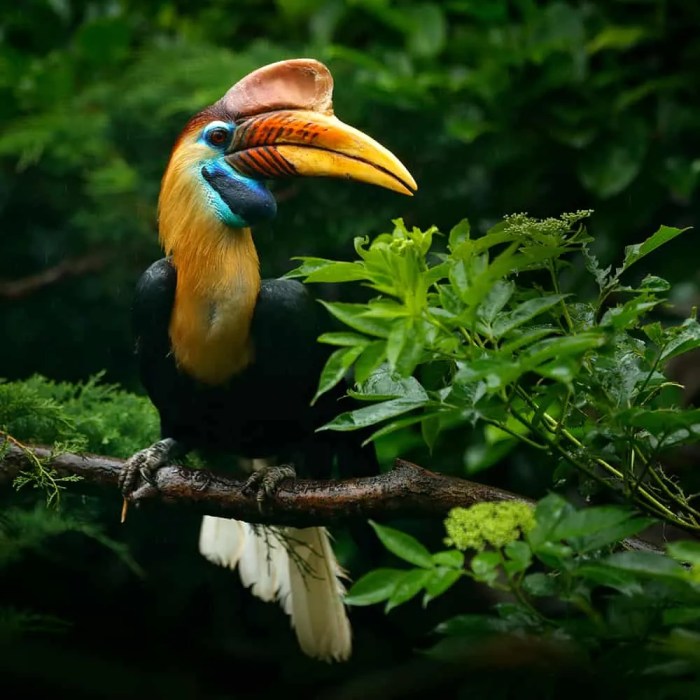
- The region boasts a rich birdlife, with species like the hornbills, kingfishers, and pittas capturing the attention of birdwatchers.
- Marine enthusiasts can explore the vibrant coral reefs of Southeast Asia, which are teeming with colorful fish, sea turtles, and other marine creatures.
- From the jungles of Borneo to the rivers of the Mekong Delta, Southeast Asia offers a diverse range of habitats to explore and discover unique wildlife.
Popular Wildlife Destinations in Southeast Asia
When it comes to wildlife holidays, Southeast Asia offers a plethora of exciting destinations for nature enthusiasts. From dense jungles to vibrant coral reefs, this region is home to a diverse array of animal species waiting to be discovered.
Borneo
Borneo is a top wildlife destination known for its lush rainforests and incredible biodiversity. Visitors can spot iconic species such as orangutans, pygmy elephants, and proboscis monkeys in their natural habitat. The island also boasts diverse birdlife, including the majestic hornbills. Borneo offers a unique opportunity to witness wildlife up close while contributing to conservation efforts.
Sumatra
Sumatra is another hotspot for wildlife enthusiasts, with its dense jungles and unique ecosystems. The island is famous for its population of critically endangered Sumatran tigers, as well as other elusive species like the Sumatran orangutan and rhinoceros. Visitors can embark on thrilling jungle treks to observe these magnificent creatures in the wild.
Komodo National Park
For those interested in marine wildlife, Komodo National Park is a must-visit destination. This UNESCO World Heritage site is home to the iconic Komodo dragon, the world’s largest lizard. In addition to these fascinating reptiles, the park boasts rich marine life, making it a popular spot for diving and snorkeling enthusiasts.
Khao Sok National Park
Located in Thailand, Khao Sok National Park is a hidden gem for nature lovers seeking a tranquil wildlife experience. The park is renowned for its ancient rainforest, limestone cliffs, and picturesque lakes. Visitors can embark on guided jungle tours to encounter diverse wildlife, including gibbons, hornbills, and even the elusive Asian elephant.
Tanjung Puting National Park
Tanjung Puting National Park in Indonesia is a haven for orangutan conservation and offers a unique wildlife adventure. Visitors can cruise along the park’s rivers to observe these gentle primates swinging through the treetops. The park is also home to a variety of bird species and other wildlife, providing a memorable experience for nature enthusiasts.
Wildlife Safari Experiences
Embarking on a wildlife safari in Southeast Asia is an exhilarating experience that allows you to witness diverse flora and fauna in their natural habitats. Here, we will explore the wildlife safari options available in the region, the best times to go on a safari, and tips for maximizing wildlife sightings.
Wildlife Safari Options in Southeast Asia
When it comes to wildlife safaris in Southeast Asia, visitors have a variety of options to choose from. Some popular choices include:
- Exploring the lush jungles of Borneo to spot orangutans, pygmy elephants, and proboscis monkeys.
- Embarking on a river safari in the Kinabatangan River in Malaysia to see crocodiles, macaques, and a plethora of bird species.
- Heading to the national parks of Thailand, such as Khao Sok and Khao Yai, to encounter elephants, tigers, and gibbons.
Best Times to Go on a Wildlife Safari
The best time to go on a wildlife safari in Southeast Asia varies depending on the destination. However, in general, the dry season is ideal for wildlife sightings as animals tend to gather around water sources. For example, the dry season in Borneo falls between March and October, making it a great time to spot wildlife in the rainforests.
Tips for Maximizing Wildlife Sightings
Here are some tips to enhance your wildlife safari experience:
- Go on early morning or late afternoon safaris when animals are most active.
- Listen to the sounds of the jungle to locate wildlife, as many animals communicate through vocalizations.
- Be patient and observant, as wildlife sightings can sometimes require waiting quietly for the animals to appear.
- Respect the animals’ space and follow the guidelines set by the tour guides to ensure the safety of both wildlife and visitors.
Conservation Efforts and Ecotourism
Conservation efforts and ecotourism play a crucial role in protecting the rich biodiversity of Southeast Asia. By promoting sustainable practices and raising awareness, these initiatives help ensure the long-term survival of wildlife in the region.
Conservation Initiatives
- The establishment of national parks and protected areas helps safeguard habitats for endangered species such as orangutans, tigers, and elephants.
- Collaborative projects between government agencies, NGOs, and local communities aim to combat illegal wildlife trade and poaching.
- Research and monitoring programs track population trends and assess the effectiveness of conservation measures.
Ecotourism Impact
- Ecotourism promotes sustainable travel practices that minimize negative impacts on the environment and wildlife.
- By engaging with local communities and supporting conservation initiatives, ecotourism contributes to the protection of natural habitats.
- Revenue generated from wildlife tourism can fund conservation projects and provide economic incentives for communities to preserve their environment.
Success Stories
- The reintroduction of captive-bred orangutans into the wild in Borneo has helped increase their population and ensure genetic diversity.
- The conservation efforts for the critically endangered Javan rhinoceros in Indonesia have led to a slight increase in their numbers in recent years.
- The protection of marine reserves in the Philippines has resulted in the recovery of coral reefs and the resurgence of fish populations.
Festival Travel in Southeast Asia
When it comes to wildlife holidays in Southeast Asia, exploring the region’s vibrant festivals can add an extra dimension to your travel experience. These festivals not only showcase the rich cultural heritage of the area but also complement the wildlife viewing opportunities available.
Popular Festivals and Wildlife Viewing Seasons
Some of the popular festivals in Southeast Asia coincide with the best wildlife viewing seasons, making it a perfect time to witness both cultural celebrations and the beauty of nature. For example, the Songkran Festival in Thailand often aligns with the dry season, providing excellent conditions for wildlife sightings in national parks and reserves.
- Thaipusam in Malaysia: This Hindu festival usually takes place during the migratory season of certain bird species in the country, offering a unique chance to observe both cultural rituals and birdwatching opportunities.
- Dragon Boat Festival in China: Celebrated during the summer months, this festival can be a great time to witness the annual migration of certain marine species along the coastal areas.
Cultural Significance of Festivals on Wildlife Conservation
Festivals in Southeast Asia often hold cultural significance that is deeply intertwined with the region’s wildlife and natural resources. Many traditional practices and beliefs associated with these festivals promote conservation efforts and sustainable living among local communities.
For example, the Loy Krathong Festival in Thailand encourages people to float biodegradable offerings on water bodies as a way to show respect for nature and promote environmental awareness.
Mountain Trekking Adventures
Embark on a thrilling mountain trekking adventure in Southeast Asia and immerse yourself in the breathtaking landscapes and diverse ecosystems that these regions have to offer. Whether you are a seasoned trekker or a beginner looking to challenge yourself, there are plenty of opportunities to explore the majestic mountains of Southeast Asia.
Mountain Trekking Opportunities
From the lush rainforests of Borneo to the towering peaks of the Himalayas, Southeast Asia boasts a wide range of mountain trekking opportunities for outdoor enthusiasts. Whether you prefer a day hike or a multi-day expedition, there are trails suitable for all skill levels.
- Mount Kinabalu in Malaysia: Known for its stunning sunrise views and diverse flora and fauna, Mount Kinabalu offers a challenging yet rewarding trekking experience.
- Mount Rinjani in Indonesia: This active volcano on the island of Lombok provides trekkers with panoramic views of the surrounding landscapes and a chance to witness the spectacular crater lake.
- Mount Fansipan in Vietnam: The highest peak in Indochina, Mount Fansipan offers a challenging trek with stunning views of the Hoang Lien Son mountain range.
Tips for Beginners
If you are new to mountain trekking, it is important to start gradually and build up your stamina and endurance. Here are some tips to help you prepare for your first mountain trekking adventure:
- Start with shorter and less challenging hikes to acclimate to the altitude and terrain.
- Invest in proper hiking gear, including sturdy boots, a backpack, and layers of clothing for varying weather conditions.
- Stay hydrated and pack enough food and snacks to keep your energy levels up during the trek.
- Listen to your body and take breaks when needed to avoid exhaustion and altitude sickness.
Scenic Mountain Trails
Explore some of the most scenic and rewarding mountain trails in Southeast Asia that offer stunning views and unique experiences:
- Kinabalu Park in Malaysia: Home to a diverse range of plant and animal species, this UNESCO World Heritage Site offers picturesque trails for all levels of trekkers.
- Doi Inthanon in Thailand: Trek through lush forests and past picturesque waterfalls to reach the summit of Thailand’s highest peak for panoramic views of the surrounding valleys.
- Mount Bromo in Indonesia: Witness the sunrise over the otherworldly landscape of the Bromo Tengger Semeru National Park, with views of the active volcano and surrounding caldera.
Mountain Retreats for Nature Enthusiasts
Mountain retreats offer a unique opportunity for nature enthusiasts to immerse themselves in the beauty of the natural world while enjoying a peaceful and rejuvenating experience. These retreats are often located in remote and pristine locations, providing a perfect escape from the hustle and bustle of city life.
Comparing Mountain Retreat Options in Southeast Asia
Mountain retreat options in Southeast Asia vary in terms of location, amenities, and activities offered. From the lush rainforests of Malaysia to the majestic peaks of Nepal, there are plenty of options to choose from. Some popular mountain retreat destinations in Southeast Asia include:
- Chiang Mai, Thailand: Known for its tranquil mountain villages and stunning views, Chiang Mai offers a perfect retreat for nature lovers.
- Bali, Indonesia: With its picturesque rice terraces and volcanic mountains, Bali is a great destination for those seeking a peaceful mountain getaway.
- Sapa, Vietnam: Nestled in the Hoang Lien Son mountain range, Sapa is famous for its terraced rice fields and ethnic minority villages.
Benefits of Immersing Oneself in Nature Through Mountain Retreat Experiences
Immersing oneself in nature through mountain retreat experiences can have numerous benefits for both physical and mental well-being. Some of the benefits include:
- Stress relief: Being surrounded by nature can help reduce stress levels and promote relaxation.
- Physical health: Hiking and exploring the mountains can improve physical fitness and overall health.
- Mental clarity: Disconnecting from technology and immersing oneself in nature can help clear the mind and improve mental focus.
- Sense of connection: Mountain retreats provide a sense of connection to the natural world, fostering a deeper appreciation for the environment.
Wildlife Holidays vs. Traditional Vacations
When comparing wildlife holidays to traditional vacations, it’s essential to understand the unique aspects that set them apart. Wildlife holidays offer a completely different experience that revolves around nature, wildlife encounters, and conservation efforts.
Differentiating Factors
Wildlife Holidays:
- Immersive experiences in natural habitats
- Opportunities to observe and learn about diverse wildlife species
- Focus on sustainable tourism and conservation
- Engagement with local communities and indigenous cultures
Traditional Vacations:
- Usually centered around urban areas or popular tourist destinations
- Primarily focused on relaxation, entertainment, and cultural experiences
- Less emphasis on environmental conservation and sustainable practices
- Activities such as shopping, dining, and sightseeing
Unique Aspects of Wildlife Holidays
Wildlife holidays offer a deeper connection to the natural world, allowing travelers to witness wildlife in their natural habitats. The experiences are often more educational and enriching, providing a greater understanding of environmental issues and the importance of conservation efforts.
Personal Anecdote
During my wildlife holiday in Southeast Asia, I had the privilege of observing orangutans in the rainforests of Borneo. The encounter was truly magical, and it gave me a profound appreciation for the beauty and fragility of nature. It was a stark contrast to my usual beach vacations, and it left a lasting impact on me, inspiring me to support wildlife conservation initiatives.
Final Conclusion
As you conclude your exploration of Wildlife holidays in Southeast Asia, remember that the magic of this region lies not just in its diverse wildlife but also in the conservation efforts, cultural festivals, and mountain retreats that make it a truly unique destination for nature lovers. Plan your next adventure and immerse yourself in the untamed beauty of Southeast Asia’s wildlife wonders.
Frequently Asked Questions
What are the best times to go on a wildlife safari in Southeast Asia?
The best times for wildlife safaris in Southeast Asia are usually during the dry seasons when animals gather around water sources, making it easier to spot them.
How does ecotourism impact wildlife holidays in Southeast Asia?
Ecotourism promotes sustainable travel practices that help protect the environment and wildlife in Southeast Asia, ensuring that future generations can also enjoy these natural wonders.
Are there any mountain retreats in Southeast Asia ideal for nature enthusiasts?
Yes, Southeast Asia offers a range of mountain retreats that allow nature enthusiasts to immerse themselves in the serene beauty of the region, away from the hustle and bustle of city life.


